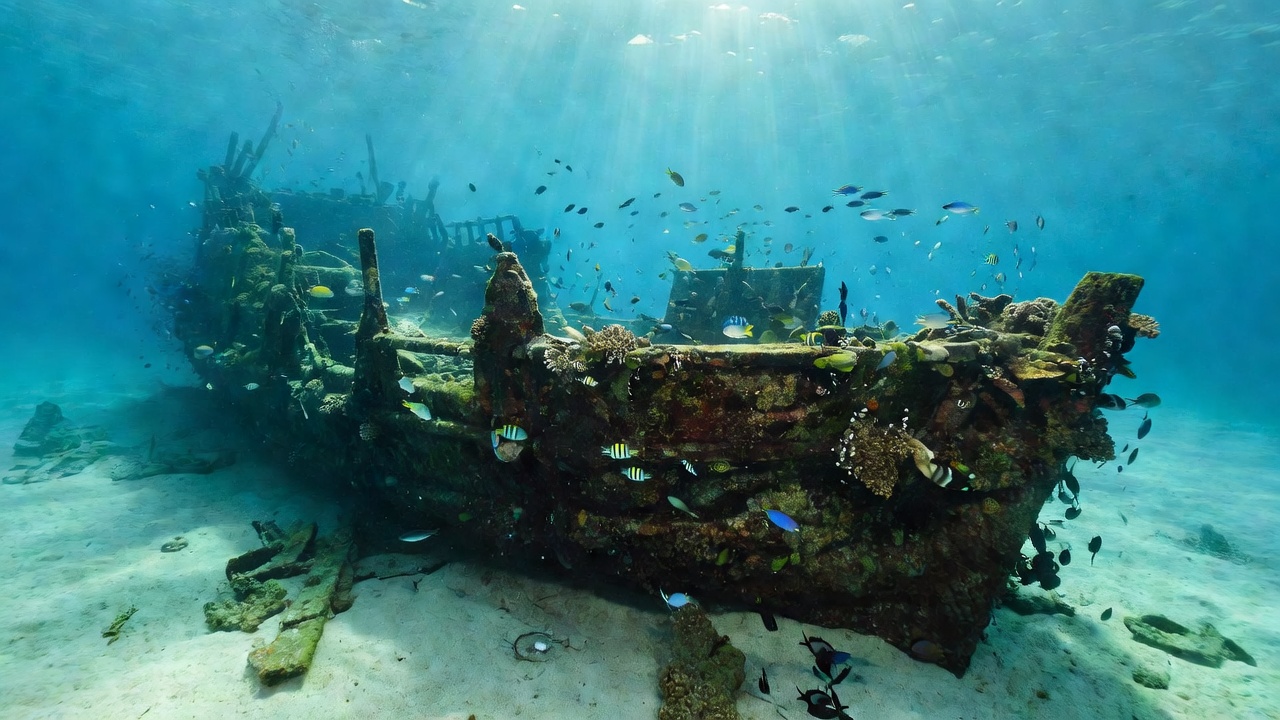
On the evening of June 8, 1708, approximately sixteen miles off the coast of Cartagena de Indias, the Caribbean night erupted into an inferno. The 64-gun flagship of the Spanish Tierra Firme fleet, the San José, commanded by General José de Santillán, was intercepted by a British squadron led by Commodore Charles Wager aboard HMS Expedition.
Wager was determined to capture the ship intact; British naval intelligence had established that the San José was burdened to her waterlines with the accumulated tribute of six years of South American mining. But at roughly 7:00 PM, during a vicious broadside exchange at point-blank range, a powder magazine aboard the galleon exploded. In less than three minutes, the vessel, 584 souls, and nearly 200 metric tons of treasure vanished into 2,000 feet of oceanic abyss.
The Inventory of the King's Treasure
The cargo on board the San José was not mere commercial trade goods—it was the lifeblood intended to finance the War of the Spanish Succession for King Philip V. Documents in the General Archive of the Indies in Seville show that the holds carried:
- Gold Bullion: Approximately 11 million gold escudos minted in Lima, Bogotá, and Mexico.
- Silver Ingots & Reales: Multiple chests filled with hundreds of thousands of pieces of eight and refined silver ingots from Potosí.
- Emeralds: Sacks of uncut, high-grade deep green emeralds from the famous mines of Muzo, Boyacá.
- Personal Dynastic Valuables: Ornate religious reliquaries, gold tableware, and personal jewelry belonging to Spanish viceroys and high ecclesiastics returning to Cadiz.
"The flame ran along her decks like lightning; then came a concussive roar that shook our ship from keel to masthead, and where three masts had stood, nothing remained but smoking timber and boiling black water."
— Ship log excerpt, HMS Expedition, June 1708
- Displacement: 1,200 tons (Spanish design)
- Estimated Modern Cargo Worth: $17,000,000,000 to $20,000,000,000
- Depth of Shipwreck: 600 meters (2,000 feet)
- Discovery Confirmation: November 27, 2015 by Colombian Navy & Woods Hole
- Competing Claimants: Republic of Colombia, Kingdom of Spain, Sea Search Armada
The Multi-Billion Dollar Modern Geopolitical Standoff
In late 2015, the Colombian Institute of Anthropology and History (ICANH), working in secret with Woods Hole Oceanographic Institution's autonomous submarine REMUS 6000, definitively located the wreck site. Sonar and photographic surveys revealed intact bronze cannons cast specifically for the Spanish Crown with dolphin emblems, thousands of porcelain cups, and vast unscattered fields of gold coins resting undisturbed upon the seabed.
The discovery triggered one of the most contentious international legal battles in modern maritime history:
1. The Republic of Colombia: Asserts total national sovereignty over the wreck as protected cultural patrimony located within its exclusive economic waters.
2. The Kingdom of Spain: Invokes the UNESCO 2001 Convention on the Protection of the Underwater Cultural Heritage, claiming the San José remains a sovereign warship (state vessel) of the Spanish Navy and a military cemetery.
3. Indigenous Coalitions: Representatives of the Qhara Qhara nation in Bolivia argue that much of the gold and silver was extracted through the forced labor of their ancestors in the Potosí mines and should be repatriated as indigenous heritage.
Until international arbitration panels in The Hague and Colombian courts finalize a legal consensus, the $20 billion vault remains undisturbed in the dark, cold depths of the Caribbean trench.