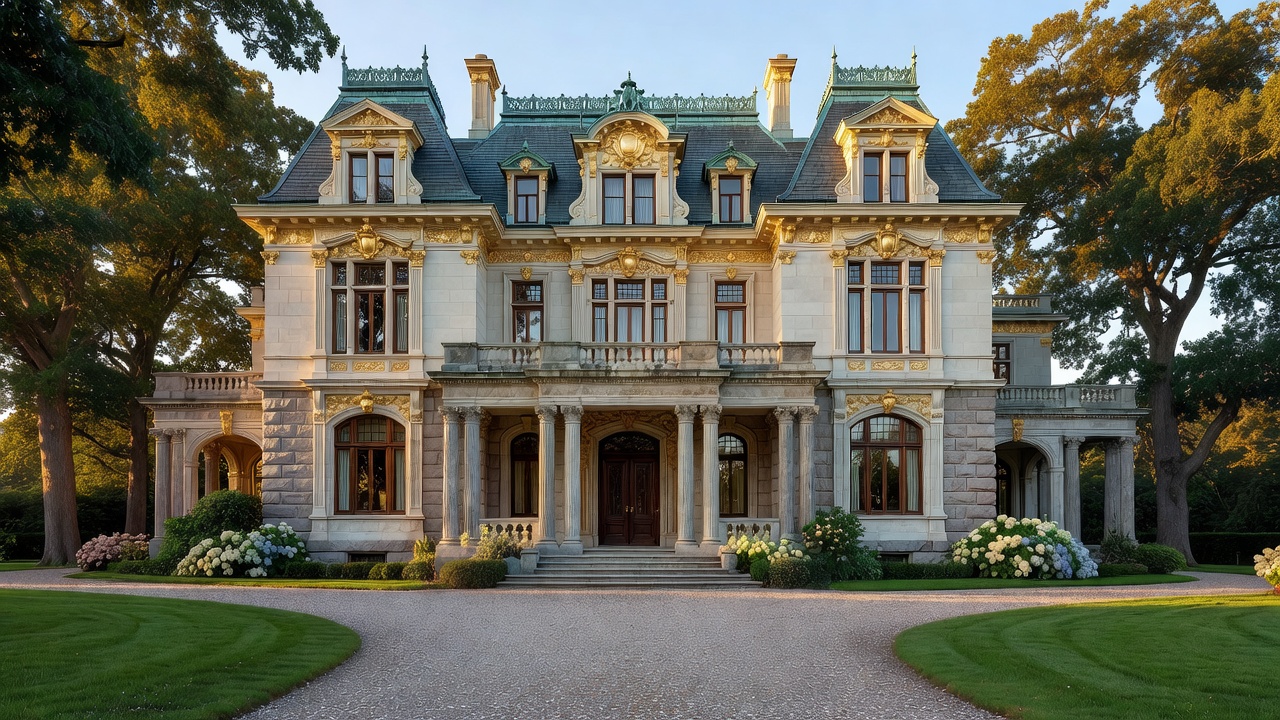
On January 4, 1877, when “Commodore” Cornelius Vanderbilt passed away at his home on Washington Place in Manhattan, he left behind an estate valued at just over $100 million. At that exact moment, the total circulating currency held by the United States Treasury was less than $115 million. Measured against the aggregate size of the national economy, Vanderbilt controlled roughly one out of every twenty dollars in American commerce.
Yet ninety-six years later, in 1973, when 120 direct descendants of Cornelius Vanderbilt gathered at Vanderbilt University for a family reunion, the meeting’s organizer noted an astonishing reality: not a single member of the gathering was a millionaire. The grandest private fortune ever accumulated in nineteenth-century industrial history had completely vanished.
The Iron Will of the Commodore and His Son Billy
Unlike later generations, Cornelius understood the centrifugal danger of wealth dispersion. He despised the idea of fractional inheritance. To preserve his railroad monopoly intact—including the New York Central, the Lake Shore and Michigan Southern, and the Hudson River lines—he willed 95% of his entire fortune to his son, William Henry "Billy" Vanderbilt.
Billy proved an exceptionally ruthless executive. During his eight brief years managing the family enterprises before his own sudden death in 1885, he doubled the estate from $100 million to nearly $200 million (the equivalent of over $300 billion in contemporary economic share). But Billy made a fateful structural mistake: where his father had concentrated wealth in a single hand, Billy divided his estate equally among his eight children.
"Any fool can make a fortune; it takes a man of brains to hold onto it after it's made."
— Cornelius "Commodore" Vanderbilt (1794–1877)
The Gilded Age Construction Arms Race
Freed from parental restraint and possessing tens of millions of unencumbered dollars, the third generation abandoned railroad operation and embraced competitive social architecture. A bitter war for New York high society supremacy erupted, primarily waged through stone, limestone, and imported French tapestries.
Between 1880 and 1905, the Vanderbilt grandchildren erected no fewer than ten palatial mansions along Fifth Avenue in Manhattan, along with colossal summer "cottages" in Newport, Rhode Island, and the 250-room Biltmore Estate in Asheville, North Carolina:
- The Petit Chateau (660 Fifth Avenue): Designed by Richard Morris Hunt for Alva and William K. Vanderbilt, featuring entire carved stone facades imported from France. Demolished in 1926.
- The Cornelius Vanderbilt II Mansion (1 West 57th Street): A 130-room chateau covering an entire city block, the largest private residence ever built in Manhattan. Sold for scrap and demolished in 1927 to make way for Bergdorf Goodman.
- The Breakers (Newport, RI): An Italian Renaissance palace with 70 rooms, built at a cost exceeding $7 million in 1895 gold dollars. Annual property taxes and maintenance staff of 40 servants consumed millions with zero economic yield.
- Biltmore Estate (North Carolina): Covering 125,000 acres, this French chateau required a private brick kiln and specialized railway just to transport Indiana limestone.
- Commodore Vanderbilt Wealth (1877): $105,000,000 (Gold)
- William H. Vanderbilt Peak (1885): $200,000,000 (Gold)
- Average Number of Palaces per Heir: 3 to 5 estates
- Primary Destruction Factors: Real estate upkeep, lack of diversification, 1913 income tax introduction
- Total Descendant Net Worth (1973): Zero descendants in Forbes 400
The Tax Hammer and the Collapse of Railroad Monopolies
The third and fourth generations made the fatal financial error of keeping their residual capital tied to railroad equities while using capital gains to subsidize lifestyle expenses. When the Interstate Commerce Commission capped freight rates, trucks began taking cargo, and the federal income and estate taxes were implemented in 1913 and 1916, the cash flow dried up.
Maintenance costs on the mansions were staggering. Cornelius Vanderbilt II’s 57th Street mansion cost tens of thousands of dollars per month merely in coal heating and property taxes. Because none of these limestone monstrosities generated revenue, the heirs were forced to liquidate dividend-paying shares into crashing markets to pay upkeep bills.
By the time the New York Central Railroad merged with the Pennsylvania Railroad in 1968 and collapsed into bankruptcy in 1970 (at the time the largest corporate bankruptcy in American history), the Vanderbilt descendants held practically no meaningful stake in the transportation empire their patriarch had spent fifty years conquering.